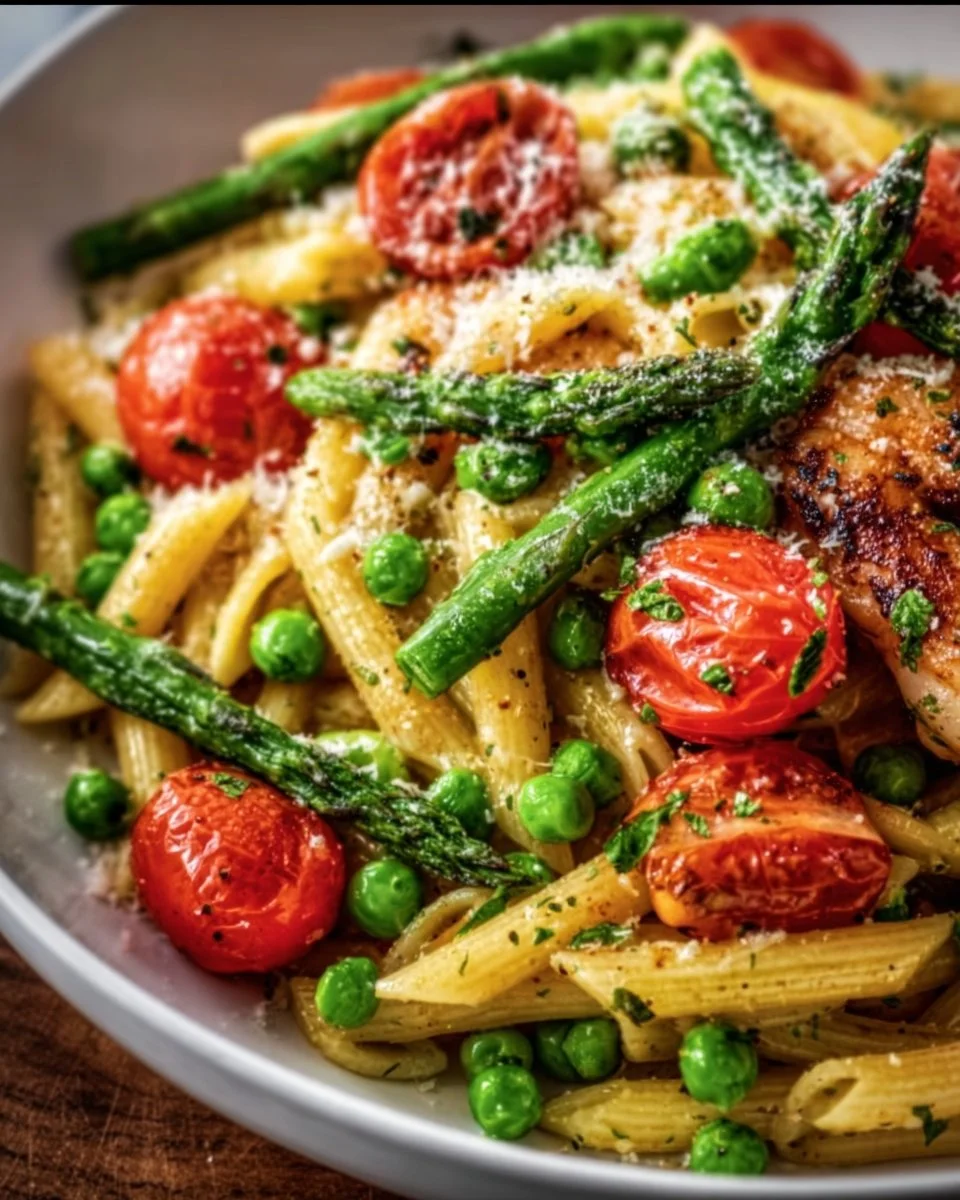
Imagine walking into a sun-drenched kitchen where the air is filled with the vibrant aromas of spring. As you open the window, a gentle breeze carries the fresh scent of blooming flowers, mingling with the earthy notes of sautéed garlic and olive oil. You stand by the stove, your heart racing with anticipation, as colorful vegetables dance in a skillet, sizzling with promise. The vivid greens of asparagus and peas, the jewel-like sweetness of cherry tomatoes, and the twinkle of fresh lemon zest hint at a delightful creation you’re about to bring to life—a luscious spring vegetable pasta that captures the very essence of the season.
Each bite delivers a symphony of flavors that sings beautifully with the crunch of fresh vegetables, the tender embrace of perfectly cooked pasta, and a refreshing zing of lemon. You take a forkful, and as the pasta intertwines with the fresh vegetables, you experience a harmony that feels both comforting and invigorating. A delightful interplay of textures—smooth and creamy, crisp and tender—this pasta dish isn’t just a meal; it’s an experience that beckons friends and family to gather around the table. It promises warmth, joy, and the satisfaction of something lovingly homemade.
Why You’ll Love This Spring Vegetable Pasta
Spring vegetable pasta holds a special place in the hearts of food lovers, and for good reason. This dish bursts with the season’s freshest offerings, transforming ordinary ingredients into a celebration of taste. The crunch of asparagus and the vibrant sweetness of peas add a lively brightness, while cherry tomatoes bring a juicy pop with every bite. The hint of lemon cuts through richness, brightening the flavors and elevating this dish to something extraordinary.
Perfect for any occasion, this pasta shines at a sunlit brunch, a cozy family dinner, or even as a delightful centerpiece for al fresco gatherings. You can dress it up with succulent grilled chicken or shrimp for a heartier meal or keep it light and vegetarian for a refreshing option. Whichever route you choose, each plate becomes a canvas for creativity, inviting you to express your culinary artistry and personalize this dish to your heart’s delight.
Preparation Phase & Tools to Use
To create this springtime masterpiece, a few essential tools will truly make a difference in both your cooking experience and the final result:
- Large Pot: This is where the magic begins as you boil water to cook your pasta. A spacious pot gives your pasta room to dance.
- Skillet: A wide skillet or sauté pan allows for even cooking while providing ample space for your beautifully vibrant vegetable medley.
- Cutting Board and Chef’s Knife: A sharp knife ensures clean cuts and enhances your chopping skills, while a sturdy cutting board provides a safe workspace.
- Citrus Juicer: A handy tool to extract every drop of lemon juice, ensuring that the refreshing citrus flavor shines through.
Practical preparation tips will unfold as you work:
- Slice vegetables uniformly to ensure even cooking.
- Reserve some pasta water before draining the pasta; this starchy water can help bind your sauce later, adding creaminess without extra calories.
Ingredients for Spring Vegetable Pasta
- Pasta of Choice: Any pasta will do, from classic spaghetti to charming farfalle or robust penne. Whole grain options or gluten-free varieties fit in seamlessly too.
- Fresh Asparagus: Crisp and tender, asparagus adds a vibrant green hue and a delightful crunch.
- Peas: Sweet and bursting with flavor, fresh or frozen peas bring a lovely burst of color and nutrition.
- Cherry Tomatoes: Their juicy sweetness adds a delightful contrast; feel free to swap with other varieties like grape tomatoes or even sun-dried ones for deeper flavors.
- Lemon: Bright and zesty, lemon elevates the dish with its aromatic juice and zest—really, don’t skip this ingredient.
- Garlic: Aromatic and essential, garlic transforms the oil with a fragrant warmth.
- Olive Oil: A splash adds richness and depth; choose a good-quality extra virgin for the best flavor.
- Salt and Pepper: Simple seasonings that enhance and marry the other flavors beautifully.
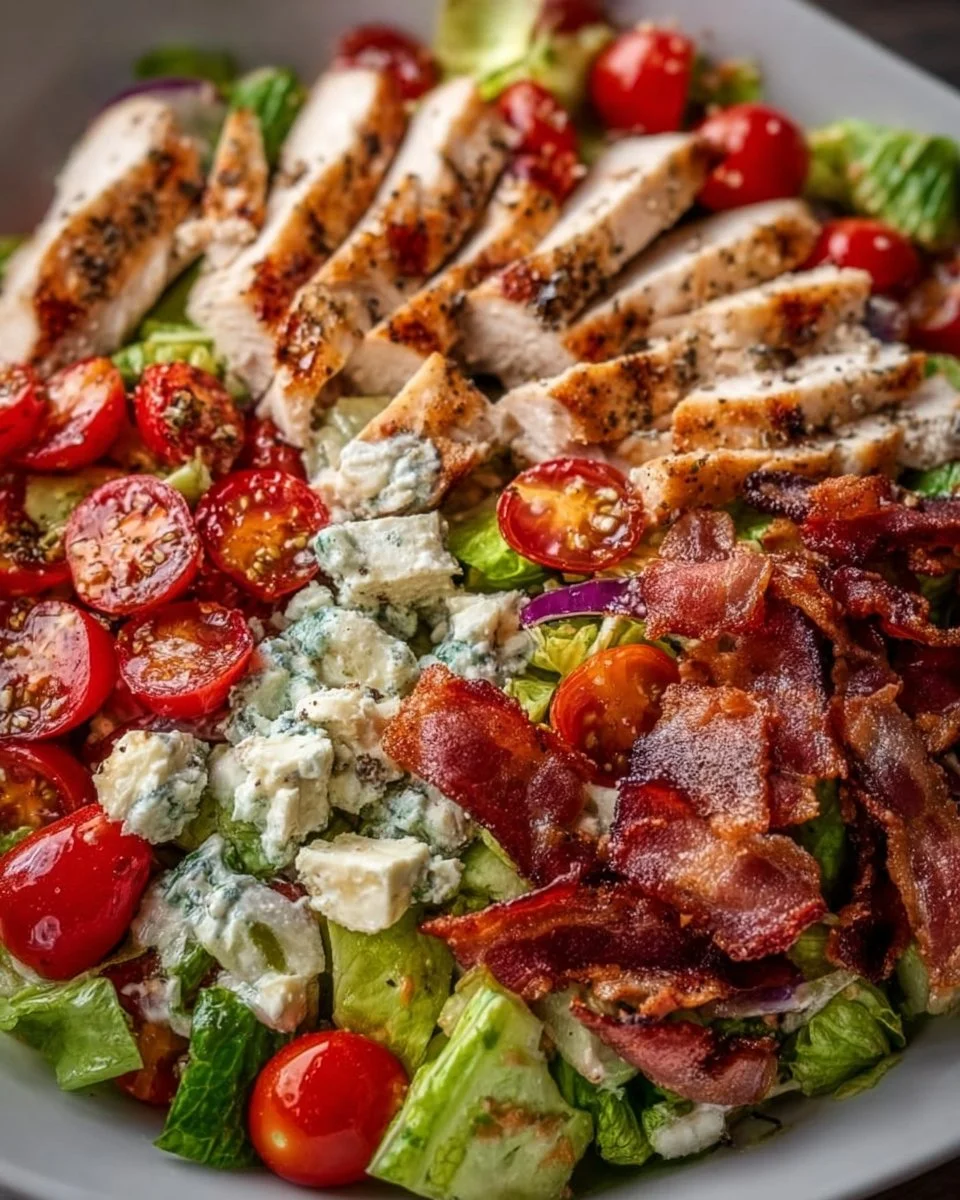
- Grilled Chicken or Shrimp (optional): Add protein for a more filling meal; both options are easy to prepare and meld brilliantly with the dish.
How to Make Spring Vegetable Pasta
- Cook your pasta according to package instructions until al dente, which keeps the texture firm and satisfying.
- In a large skillet, heat a generous swirl of olive oil over medium heat, creating a lush base of flavor.
- Add minced garlic, letting it sizzle for 1-2 minutes, releasing its vibrant aromas and preventing it from burning.
- Toss in the chopped asparagus and peas, cooking until they turn tender yet crisp, about 3-4 minutes. You’ll want them to retain a little bite.
- Stir in the halved cherry tomatoes, allowing them to soften slightly and burst with flavor for about a minute.
- Grate the zest and juice the lemon, infusing the skillet with its refreshing essence. The citrus will elevate the dish, making it sing.
- Season generously with salt and freshly cracked pepper, providing balance to your vibrant concoction.
- Toss the cooked pasta into the vegetable mixture, using tongs to ensure every strand embraces the glorious medley.
- If you desire an extra layer of comfort, add in grilled chicken or succulent shrimp now, folding them in gently.
- Serve immediately and enjoy the fresh flavors that dance on your palate!
Chef’s Notes & Helpful Tips
- Make-Ahead Tips: This dish becomes even more delicious after a day in the fridge as flavors meld together. Prepare the vegetables and pasta separately and combine just before serving.
- Cooking Alternatives: For a smoky twist, toss the vegetables in an air fryer or roast them in the oven for a few minutes. A sprinkle of parmesan cheese after baking creates a delightful crust.
- Customization Ideas: Consider adding sun-dried tomatoes for a flavor punch, or throw in a handful of spinach or kale for extra greens. Swap out the lemon for lime for a different zesty profile.
Common Mistakes to Avoid
- Overcooking Vegetables: Avoid soggy veggies by sautéing them just until tender; they should maintain a lovely crunch that complements the pasta.
- Not Salted Enough Water: Don’t forget to salt the boiling pasta water. This step enhances the pasta’s flavor dramatically.
- Skipping the Reserve Pasta Water: This starchy liquid acts as a binding agent for the sauce; without it, the dish may feel dry.
What to Serve With Spring Vegetable Pasta
- Garlic Bread: Crunchy, buttery garlic bread complements the pasta beautifully and soaks up any leftover sauce.
- Simple Green Salad: A light salad with mixed greens and a lemon vinaigrette amplifies the freshness and keeps the meal balanced.
- Grilled Corn on the Cob: Sweet, charred corn adds a seasonal touch and a burst of flavor that pairs wonderfully with the pasta.
- Caprese Skewers: Mozzarella, basil, and tomatoes on a skewer offer a delightful bite-sized treat that enhances the meal.
- Roasted Vegetable Platter: Seasonal roast veggies with a drizzle of balsamic glaze provide a warm, savory contrast to the pasta.
- Prosecco or White Wine: A glass of crisp, chilled Prosecco or Sauvignon Blanc complements the dish’s bright flavors perfectly.
- Pesto Bruschetta: Topped with fresh tomatoes and basil, these bites add an extra layer of delightful flavor and texture.
- Fruit Salad: A refreshing medley of seasonal fruits cleanses the palate and adds a lightness after those hearty pasta bites.
Storage & Reheating Instructions
Store any leftover spring vegetable pasta in an airtight container in the refrigerator for up to 3-4 days. To reheat, return it to a skillet over medium heat, adding a small splash of olive oil or reserved pasta water to ensure it stays moist. For longer storage, freeze it in portions for up to a month, but keep in mind that the texture may change slightly, so it’s best savored fresh.
Estimated Nutrition Information
Approximate values (per serving, excluding optional protein):
- Calories: 320
- Protein: 10g
- Carbohydrates: 55g
- Fat: 8g
- Fiber: 4g
Nutrition values may vary based on specific ingredients used and portion sizes.
FAQs
1. Can I use other vegetables in this dish?
Absolutely! Feel free to include bell peppers, zucchini, or even leafy greens like spinach or kale. Seasonal vegetables make this dish incredibly versatile.
2. What other proteins can I add?
Grilled shrimp, chicken, or even vegan options like chickpeas or tofu can be excellent additions to ensure the dish satisfies all your dietary preferences.
3. Can I make this pasta gluten-free?
Certainly! Substitute traditional pasta with gluten-free varieties, such as chickpea or brown rice pasta, for a delightful alternative that still delivers on flavor and texture.
4. How do I make this dish vegan?
To make it vegan, simply omit the chicken or shrimp and use vegan pasta. You can also enhance the creaminess with a sprinkle of nutritional yeast.
5. Do I really need to add the lemon?
Yes! The lemon adds brightness and enhances the overall flavor profile of the dish. If you’re short on lemons, a splash of vinegar can offer a similar tang.
Conclusion
As you sit down to savor your spring vegetable pasta, take a moment to appreciate the simple beauty of each colorful ingredient and fragrant aroma. This dish holds the essence of the season, weaving together the celebration of life, freshness, and joy. With every bite, you’ll find comfort in its rich flavors and warmth in its vibrant textures. As you gather around the table, share in the delight of homemade goodness that invites connection and conversation. So grab your ingredients, gather your loved ones, and create this gorgeous dish that embodies the spirit of spring—one that you’ll cherish and return to time and time again. Happy cooking!
Print
Spring Vegetable Pasta
- Prep Time: 15 minutes
- Cook Time: 15 minutes
- Total Time: 30 minutes
- Yield: 4 servings
- Category: Main Course
- Method: Sautéing
- Cuisine: Italian
- Diet: Vegetarian
Description
A vibrant and fresh spring vegetable pasta bursting with seasonal flavors and textures. Perfect for any occasion, this dish showcases the best of spring produce.
Ingredients
- Pasta of Choice
- Fresh Asparagus
- Peas
- Cherry Tomatoes
- Lemon
- Garlic
- Olive Oil
- Salt
- Pepper
- Grilled Chicken or Shrimp (optional)
Instructions
- Cook pasta according to package instructions until al dente.
- In a large skillet, heat olive oil over medium heat.
- Add minced garlic and sauté for 1-2 minutes.
- Add chopped asparagus and peas; cook for 3-4 minutes.
- Add halved cherry tomatoes and cook for 1 minute.
- Grate lemon zest and juice into the skillet.
- Season with salt and pepper.
- Toss in the cooked pasta.
- Add grilled chicken or shrimp if desired.
- Serve immediately.
Notes
This dish tastes even better if made a day ahead. Store leftovers in an airtight container for 3-4 days.
Nutrition
- Serving Size: 1 serving
- Calories: 320
- Sugar: 5g
- Sodium: 300mg
- Fat: 8g
- Saturated Fat: 1g
- Unsaturated Fat: 3g
- Trans Fat: 0g
- Carbohydrates: 55g
- Fiber: 4g
- Protein: 10g
- Cholesterol: 0mg