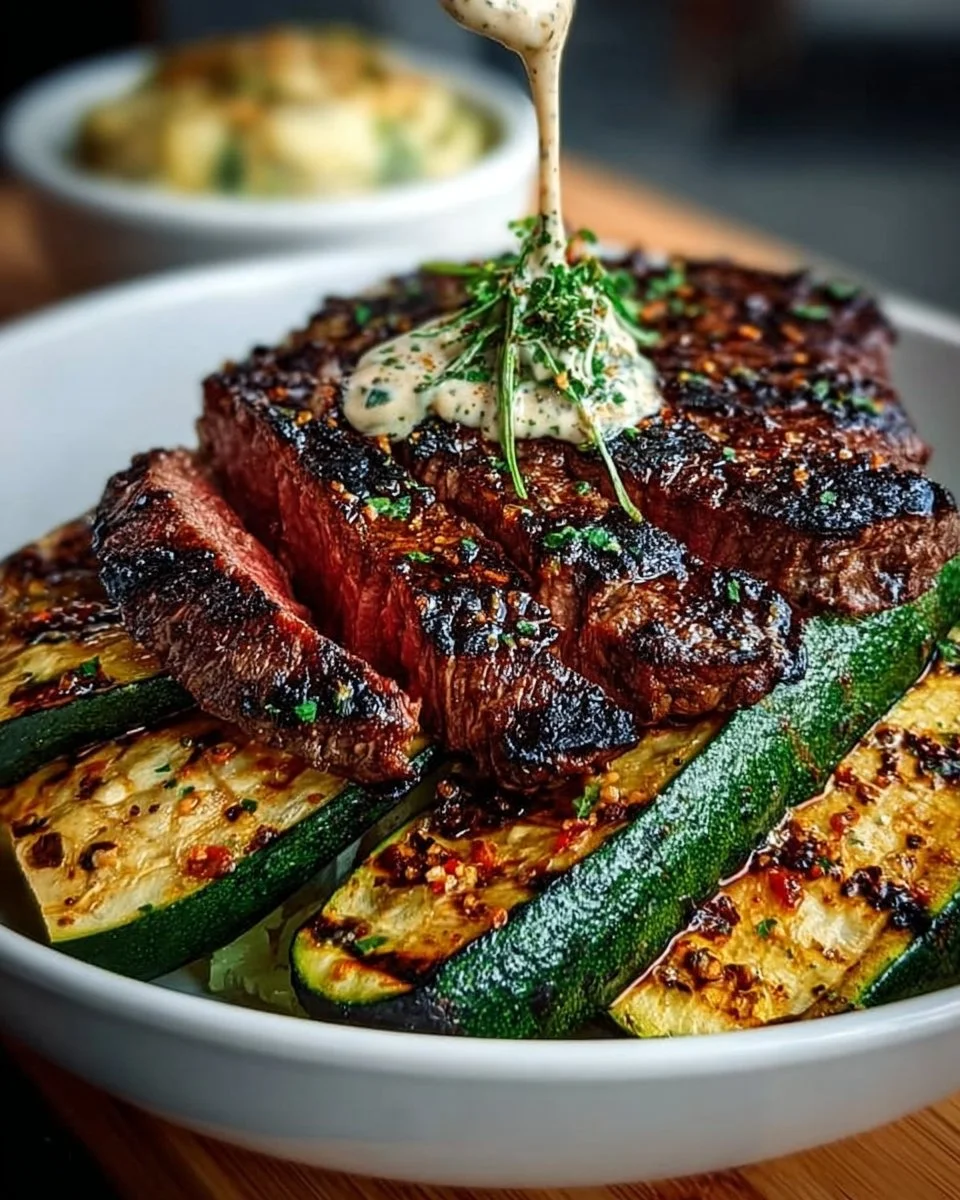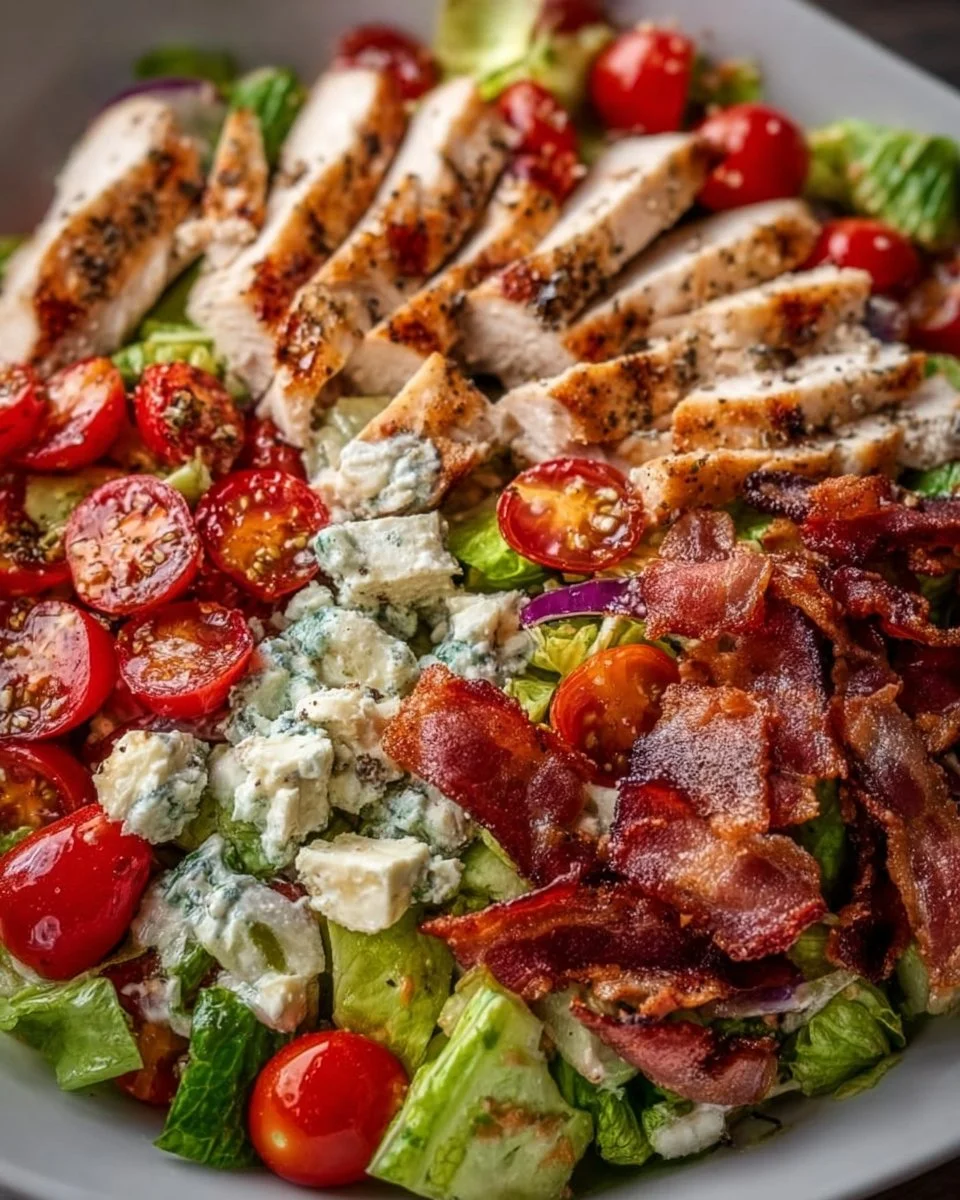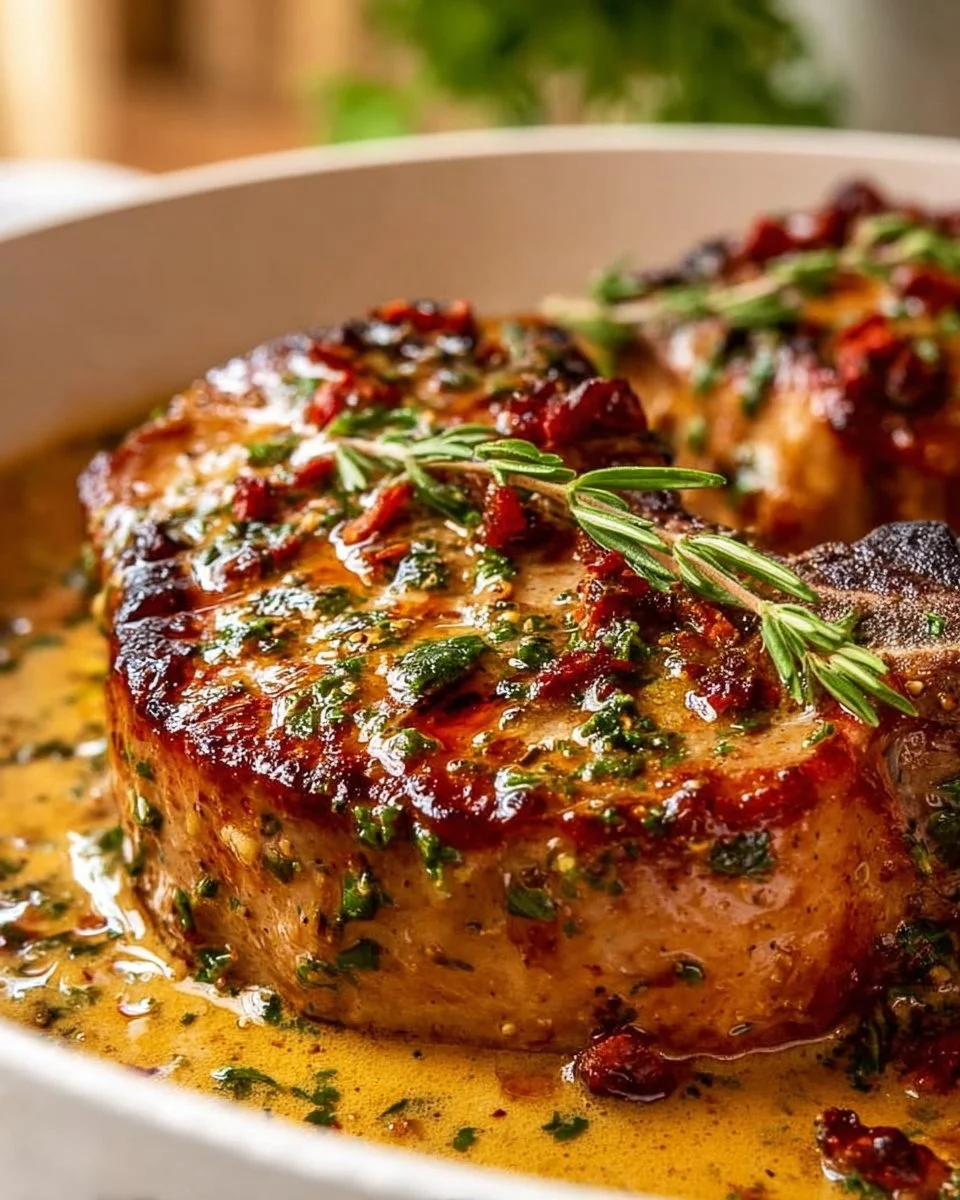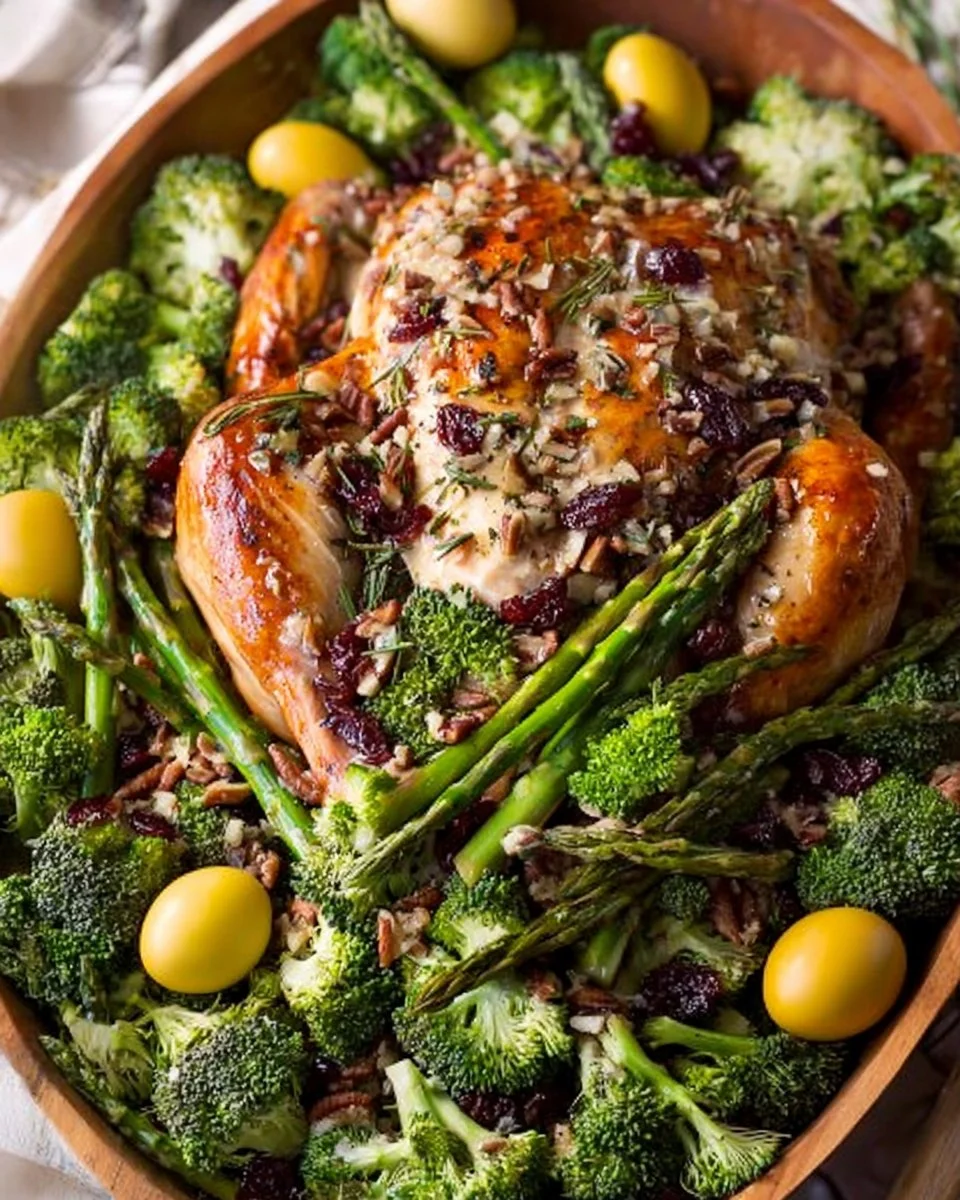
As the days lengthen and the flowers begin to bloom, Easter approaches. It’s a time that evokes the warmth of family gatherings, the joy of shared laughter, and, of course, the scent of delightful dishes wafting through the air. The table transforms into a vibrant canvas—arrayed with colors and flavors that celebrate the season. Among the centerpiece dishes that often steal the show are the equally captivating side dishes. Imagine silver bowls teeming with freshly roasted vegetables, their natural sweetness accentuated by a drizzle of fragrant olive oil, while buttery garlic mashed potatoes beckon with their creamy allure. These side dishes serve not just as accompaniments but as the soul of the meal, enhancing each bite of the succulent main courses.
At this moment, the kitchen becomes alive—chopping, sautéing, and blending aromas that entice your senses. You reach for the herbs, their earthy fragrance filling the air. You sprinkle a pinch of salt, tasting your creations as you bring them to life. Each dish tells a story, one of tradition and innovation, of flavors mingling in harmony to create something truly special. This Easter, let’s dive into some of the best side dishes that will give your gathering that extra “wow” factor, inviting everyone to come together around the table.
Why You’ll Love These Easter Side Dishes
Easter side dishes are quite the culinary treasure. They revive family traditions with a nod to comfort while introducing modern twists that might surprise you. Each recipe bursts with fresh flavors, elevating your holiday feast into a memorable experience. From bright, tangy salads to rich, creamy sides, there’s something for everyone—vegetarians, meat lovers, and health-conscious eaters alike. These dishes not only complement your main events, like rosemary-glazed ham or herb-crusted lamb, but they also stand proudly on their own, inviting you to savor every forkful.
Imagine a crisp asparagus salad tossed with a zesty lemon vinaigrette, its earthy crunch perfectly balancing out the sweeter notes of glazed carrots. Or picture the creamy richness of scalloped potatoes, their layers oozing with gooey cheese and a sprinkle of nutmeg that dances on the palate. These creations elevate your Easter celebration from a simple meal into an exquisite culinary journey, leaving an indelible mark on everyone’s memory.
Preparation Phase & Tools to Use
Before diving into the joy of cooking, gather your essential tools, which will make the process smooth and enjoyable.
- Chef’s Knife: A sharp knife is crucial for precision slicing of vegetables and herbs. This not only makes prep easier but enhances the presentation of your dishes.
- Cutting Board: A sturdy board helps maintain stability while chopping, ensuring your ingredients are well-prepared for each recipe.
- Mixing Bowls: Versatile and essential, mixing bowls hold everything from salads to sauces, helping you to combine flavors before cooking.
- Baking Sheets: Perfect for roasted veggies, a good-quality baking sheet promotes even cooking and browning, giving your side dishes that beautiful caramelized finish.
- Measuring Cups & Spoons: Accuracy in measuring ensures you capture the right balance of flavors, giving you the consistency you crave.
Preparation Tips:
- Read through each recipe thoroughly before starting to avoid any last-minute surprises.
- Prep all your ingredients beforehand (a technique known as “mise en place”) to create a seamless cooking experience.
Ingredients for Easter Side Dishes
Each recipe comes together through a carefully crafted selection of ingredients that shine on their own and work cohesively. Here’s a glimpse into some key players:
- Fresh Herbs: Think of basil, thyme, or chives. Their vibrant flavors elevate every dish, brightening up even the simplest of ingredients.
- Seasonal Produce: Asparagus, carrots, and radishes not only bring colors to your plate but also burst with fresh flavors that celebrate spring.
- Creamy Dairy: Buttermilk or crème fraîche adds lusciousness to mashed potatoes or dips, lending richness without overwhelming the palate.
- Nutty Extras: Nuts or seeds sprinkled atop salads contribute delightful crunch and depth, making each bite a textured experience.
Possible Substitutions
- Dairy-Free: Swap regular butter for coconut oil or vegan butter, ensuring those with dietary restrictions can enjoy these flavors too.
- Gluten-Free: Opt for cornstarch or gluten-free breadcrumbs where necessary, making your dishes accessible to everyone at the table.
How to Make Easter Side Dishes
Creating these delightful accompaniments comes with its own rhythm and joy. Here’s a step-by-step guide to making a standout Easter dish:
-
Prep Your Ingredients: Start by washing and cutting all vegetables. Chop herbs finely and measure out all necessary spices.
-
Marinate (if applicable): For dishes that require marination, like roasted vegetables with olive oil, vinegar, and herbs, let them sit for at least 30 minutes to enhance the flavors.
-
Cook Methodically: Depending on the dish’s requirements, choose your cooking method:
- Roasting: Preheat the oven to the recommended temperature. Spread the vegetables evenly on a baking sheet, ensuring space between them for crispy edges.
- Sautéing: Heat your pan and add oil first to get a beautiful, golden caramelization on the ingredients.
-
Final Touches: After cooking, add fresh herbs, a sprinkle of cheese, or a drizzle of specialty oils to elevate the flavor just before serving.
-
Serve Immediately: Present your dishes warm, allowing the aromas to envelop your guests as they eagerly fill their plates.
Chef’s Notes & Helpful Tips
- Make-Ahead Tips: Most dishes can be prepped a day in advance—chop veggies and mix dressings the night before, allowing you to enjoy the day’s festivities stress-free.
- Cooking Alternatives: If you’re short on time, consider using an air fryer. It can quickly roast veggies to a delightful crispness without losing flavor.
- Customization Ideas: Don’t hesitate to play with flavors. Add spices like smoked paprika or cayenne for added warmth in your dishes, or try different cheeses for a unique spin.
Common Mistakes to Avoid
- Crowding the Pan: When roasting, avoid overcrowding the pan. This traps steam, resulting in soggy instead of crispy vegetables. Spread them out evenly.
- Overcooking: Keep a close eye on cooking times. Vegetables lose their vibrancy and nutritional value when overly cooked.
- Flavor Imbalance: Remember to taste as you go. A dash more salt, lemon juice, or spice can truly transform your dish.
What to Serve With Easter Side Dishes
Pairing delectable sides with your main courses enhances the entire meal. Here are some delightful combinations to consider:
- Rosemary Glazed Ham: The sweetness of the glaze contrasts beautifully with savory sides.
- Herb-Crusted Lamb: Rich lamb elevates earthy sides like roasted root vegetables or creamy gratin.
- Honey-Dijon Chicken: Pair with a tangy green bean almondine for a perfect balance of flavors.
- Salmon Fillet: Enjoy with a lemony asparagus salad that brightens the palate between bites.
- Vegetarian Lasagna: Serve with a refreshing Caprese salad, bringing in an element of freshness.
- Stuffed Peppers: These can be complemented with a rich, creamy polenta that absorbs flavors beautifully.
Storage & Reheating Instructions
To enjoy these dishes throughout the week, proper storage is key.
- Fridge: Most side dishes stay fresh in an airtight container for 3-5 days.
- Freezer: If you wish to make them in advance, freeze in portions for up to 3 months. Label each with the date!
- Reheating: Use your oven for a crispy finish, or microwave for quick reheating, ensuring even warmth inside.
Estimated Nutrition Information
While each recipe varies, here’s an approximate breakdown for a typical serving of your Easter side dishes:
- Calories: 150-250
- Total Fat: 5-15g
- Protein: 3-7g
- Carbohydrates: 20-40g
- Fiber: 2-5g
Note: Values may change based on specific recipes and serving sizes.
FAQs
1. Can these dishes be made vegetarian?
Absolutely! Many of the ingredients can be tailored to be vegetarian-friendly. Just skip any meat-based broths or broths high in animal products.
2. What if I have leftover side dishes?
Leftovers can be easily reheated or repurposed in new recipes, like frittatas or soups, making them versatile and enjoyable even after the main event.
3. Can I make side dishes without using oil?
Certainly! You can replace oil with vegetable broth or enhance flavor with citrus juice and spices to keep dishes lively without added fat.
4. How do I achieve perfect roasted vegetables?
Spread out the veggies on a baking sheet to prevent steaming, and roast at high temperatures for optimal caramelization and tenderness.
5. What can I substitute for cream in creamy dishes?
Consider using plant-based alternatives like coconut cream or cashew cream for rich textures without dairy.
Conclusion
As you step into the kitchen this Easter, let your creativity flow and your heart celebrate with every slice, sauté, and serving. The side dishes you prepare will not only complement your main courses but will also bring forth a tapestry of flavors and textures, uniting friends and family around the table in a shared culinary adventure. So, gather your ingredients, put on your apron, and get ready to serve up some unforgettable goodness this holiday season! Embrace the spirit of Easter—where flavor and love meet, creating lasting memories that linger even after the last bite. Enjoy the journey!
Print
Easter Side Dishes
- Prep Time: 30 minutes
- Cook Time: 30 minutes
- Total Time: 60 minutes
- Yield: 6 servings
- Category: Side Dish
- Method: Roasting, Sautéing
- Cuisine: American
- Diet: Vegetarian
Description
Celebrate Easter with delightful side dishes that enhance your family gatherings with vibrant flavors and colors.
Ingredients
- Fresh herbs (basil, thyme, chives)
- Seasonal produce (asparagus, carrots, radishes)
- Buttermilk or crème fraîche
- Nuts or seeds (for texture)
Instructions
- Prep your ingredients by washing and cutting all vegetables and chopping herbs finely.
- Marinate vegetables if using, letting them sit for at least 30 minutes.
- Choose your cooking method—roast or sauté vegetables to achieve desired texture.
- Add final touches like fresh herbs, cheese, or specialty oils just before serving.
- Serve immediately for best flavor and aroma.
Notes
Most dishes can be prepped a day in advance and stored in the fridge. Avoid overcrowding the pan when roasting.
Nutrition
- Serving Size: 1 serving
- Calories: 200
- Sugar: 5g
- Sodium: 300mg
- Fat: 10g
- Saturated Fat: 4g
- Unsaturated Fat: 4g
- Trans Fat: 0g
- Carbohydrates: 30g
- Fiber: 4g
- Protein: 6g
- Cholesterol: 15mg